
What DCA actually is
Dollar-cost averaging means buying a fixed dollar amount of an asset at fixed time intervals, regardless of price. $100 into Bitcoin every Monday. $500 on the first of every month. The amount and the schedule never change, and that is the entire strategy.
The power hides in a small mathematical asymmetry: a fixed amount of money buys more units when the price is low and fewer when it is high. You do not decide this, the arithmetic does. Over time, your average cost per coin lands below the average market price over the same period, because your money automatically leaned into the dips.
Here is a concrete four-week example with $100 per week:
| Week | BTC price | Amount invested | BTC bought |
|---|---|---|---|
| 1 | $63,000 | $100 | 0.001587 |
| 2 | $58,000 | $100 | 0.001724 |
| 3 | $56,000 | $100 | 0.001786 |
| 4 | $62,000 | $100 | 0.001613 |
Total spent: $400 for 0.006710 BTC. Your cost basis is about $59,610 per coin, while the simple average of the four prices is $59,750. The discount looks small over four weeks; repeated across years of real volatility, it compounds into a meaningful edge, and it required zero forecasting skill.
ما هو الاستثمار الدوري فعلاً؟
يعني الاستثمار الدوري شراء مبلغ ثابت بالدولار من أصل ما على فترات زمنية ثابتة بغض النظر عن السعر. مئة دولار في البيتكوين كل يوم اثنين، أو خمسمئة دولار في الأول من كل شهر. لا يتغير المبلغ ولا الجدول، وهذه هي الاستراتيجية كلها.
تكمن القوة في اختلال رياضي صغير: المبلغ الثابت يشتري وحدات أكثر عندما ينخفض السعر ووحدات أقل عندما يرتفع. لست أنت من يقرر ذلك، بل الحساب نفسه. ومع الوقت يستقر متوسط تكلفتك لكل عملة تحت متوسط سعر السوق للفترة نفسها، لأن أموالك مالت تلقائياً نحو الانخفاضات.
إليك مثالاً عملياً لأربعة أسابيع بمعدل $100 أسبوعياً:
| الأسبوع | سعر البيتكوين | المبلغ المستثمر | الكمية المشتراة |
|---|---|---|---|
| 1 | $63,000 | $100 | 0.001587 |
| 2 | $58,000 | $100 | 0.001724 |
| 3 | $56,000 | $100 | 0.001786 |
| 4 | $62,000 | $100 | 0.001613 |
الإجمالي: $400 مقابل 0.006710 بيتكوين، أي أن متوسط تكلفتك نحو $59,610 للعملة، بينما المتوسط البسيط للأسعار الأربعة هو $59,750. يبدو الفارق صغيراً خلال أربعة أسابيع، لكنه حين يتكرر عبر سنوات من التقلب الحقيقي يتراكم إلى ميزة ملموسة، ودون أي مهارة في التنبؤ.
Why it works: the psychology is the product
The honest secret of DCA is that its biggest benefit is not mathematical, it is behavioral. Study after study shows that ordinary investors underperform the very assets they hold, because they buy excitement near tops and sell fear near bottoms. Crypto amplifies this: the drawdowns are deeper, the euphoria louder.
DCA removes the decision entirely. There is nothing to decide on a red day and nothing to decide on a green day, so there is nothing to get wrong. In a market that fell to a 21-month low in June and bounced 12% within days, the investor with a standing weekly buy did not need to guess the bottom. Their schedule caught it for them. That is also why the strategy pairs naturally with reading tools like our Fear and Greed index guide: DCA keeps you invested while sentiment does its violent swings.
لماذا تنجح؟ لأن الجانب النفسي هو المنتج الحقيقي
السر الصريح في الاستثمار الدوري أن أكبر فوائده ليست رياضية بل سلوكية. تظهر الدراسات مراراً أن أداء المستثمرين الأفراد أدنى من أداء الأصول نفسها التي يمتلكونها، لأنهم يشترون الحماس قرب القمم ويبيعون الخوف قرب القيعان. والعملات الرقمية تضخم هذا النمط: الهبوط أعمق، والنشوة أعلى صوتاً.
يلغي الاستثمار الدوري القرار من أساسه. لا شيء تقرره في يوم أحمر ولا شيء تقرره في يوم أخضر، وبالتالي لا شيء تخطئ فيه. وفي سوق هبط إلى أدنى مستوى في 21 شهراً خلال يونيو ثم ارتد 12% خلال أيام، لم يكن المستثمر صاحب أمر الشراء الأسبوعي الثابت بحاجة إلى تخمين القاع، فقد التقطه جدوله نيابة عنه. ولهذا تتكامل الاستراتيجية طبيعياً مع أدوات قراءة السوق مثل دليل مؤشر الخوف والطمع: يبقيك الاستثمار الدوري داخل السوق بينما تتأرجح المعنويات بعنف.
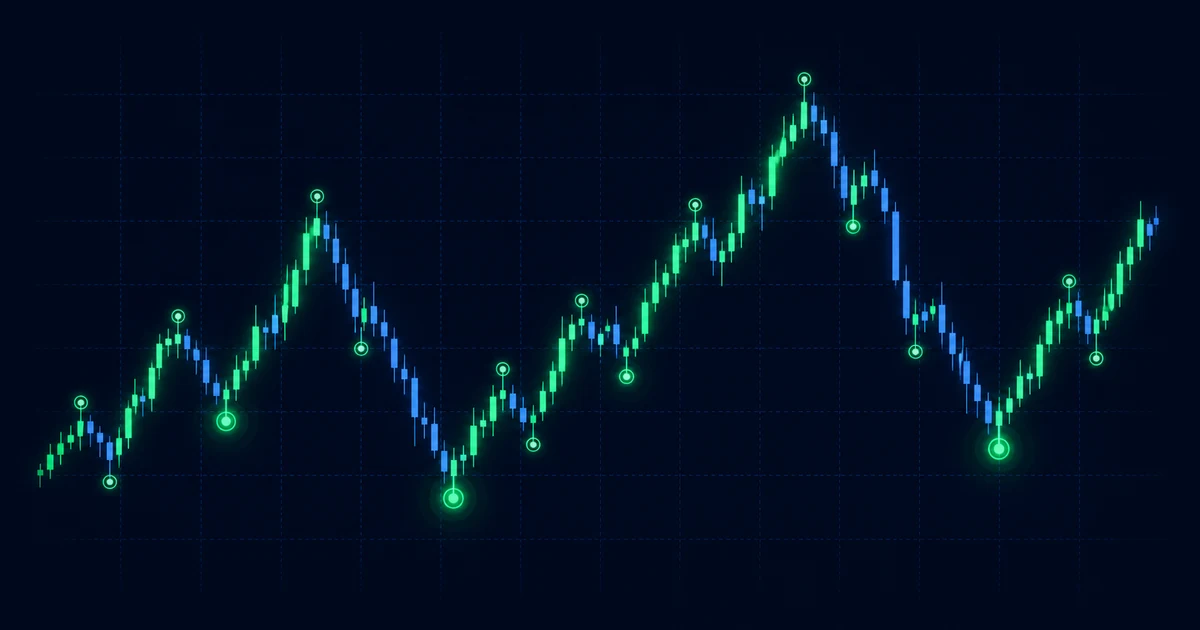
Fixed buys land on dips and peaks alike; the math tilts the average toward the dips.عمليات الشراء الثابتة تقع على القيعان والقمم معاً؛ والرياضيات تميل بالمتوسط نحو القيعان.
DCA vs lump sum: the uncomfortable truth
If you have a large amount ready to invest, the research is blunt: in steadily rising markets, investing it all upfront usually wins, simply because the money spends more time in the market. Studies on stock indexes put the lump-sum win rate around two-thirds of historical periods.
So why does everyone still recommend DCA for crypto? Three reasons. First, crypto is not a steadily rising market; it routinely loses half its value inside a year, and DCA is specifically strongest in volatile and falling conditions. Second, most people do not have a lump sum, they have a salary, which makes DCA the natural default rather than a choice. Third, the lump-sum investor who panic-sells a 40% drawdown realizes a loss the DCA investor never takes. The best strategy on paper is worthless if you cannot hold it in practice.
الاستثمار الدوري مقابل الدفعة الواحدة: الحقيقة غير المريحة
إذا كان لديك مبلغ كبير جاهز للاستثمار، فالأبحاث صريحة: في الأسواق الصاعدة باطراد، استثمار المبلغ كاملاً منذ البداية هو الأفضل عادة، لسبب بسيط هو أن المال يقضي وقتاً أطول داخل السوق. وتقدر الدراسات على مؤشرات الأسهم تفوق الدفعة الواحدة في نحو ثلثي الفترات التاريخية.
فلماذا ما زال الجميع يرشح الاستثمار الدوري للعملات الرقمية؟ لثلاثة أسباب. أولاً، هذه ليست سوقاً صاعدة باطراد؛ فهي تفقد نصف قيمتها بشكل دوري خلال عام واحد، والاستثمار الدوري يتفوق تحديداً في ظروف التقلب والهبوط. ثانياً، معظم الناس لا يملكون دفعة واحدة بل راتباً شهرياً، ما يجعل الاستثمار الدوري الخيار الطبيعي لا المفاضلة. ثالثاً، مستثمر الدفعة الواحدة الذي يبيع بذعر عند هبوط 40% يحقق خسارة لن يتعرض لها مستثمر الدفعات أصلاً. أفضل استراتيجية على الورق لا قيمة لها إذا عجزت عن الالتزام بها عملياً.

One big decision versus many small automatic ones: the trade-off at the heart of DCA.قرار كبير واحد مقابل قرارات صغيرة تلقائية كثيرة: هذه هي المقايضة في جوهر الاستثمار الدوري.
When DCA fails, and it fails quietly
DCA has one assumption buried inside it: that the asset eventually goes up. Lower your average cost on an asset that keeps falling and never recovers, and all you have done is accumulate losses on a schedule. Thousands of investors dollar-cost averaged into dead altcoins through 2022 and 2023, faithfully buying every week, and the discipline that should have protected them automated their losses instead.
The failure checklist is short and worth memorizing:
- DCA into conviction, not hope. The strategy fits assets you would defend owning for five years, historically Bitcoin and little else. It is not a rescue plan for a bad pick.
- Averaging down is not DCA. Increasing your buys because you are losing is emotional position-building wearing a disciplined costume.
- Fees eat small schedules. A $10 weekly buy with a $1 fee starts 10% underwater every single week. Match the interval to your amount, or use an exchange with cheap recurring buys.
- DCA has an exit problem. The strategy says nothing about selling. Decide separately, and in advance, what would make you stop or take profit.
متى تفشل الاستراتيجية؟ وفشلها صامت
يحمل الاستثمار الدوري افتراضاً واحداً مدفوناً في داخله: أن الأصل سيصعد في نهاية المطاف. فإذا خفضت متوسط تكلفتك في أصل يواصل الهبوط ولا يتعافى أبداً، فكل ما فعلته هو مراكمة الخسائر وفق جدول منتظم. آلاف المستثمرين طبقوا الاستراتيجية على عملات بديلة ميتة خلال 2022 و2023، يشترون بإخلاص كل أسبوع، فتحول الانضباط الذي كان يفترض أن يحميهم إلى أتمتة لخسائرهم.
قائمة أسباب الفشل قصيرة وتستحق الحفظ:
- طبق الاستراتيجية على القناعة لا على الأمل. فهي تناسب الأصول التي تدافع عن امتلاكها لخمس سنوات، وتاريخياً ينطبق ذلك على البيتكوين وقلة سواه. وهي ليست خطة إنقاذ لاختيار سيئ.
- تعزيز المركز الخاسر ليس استثماراً دورياً. زيادة مشترياتك لأنك تخسر هي بناء مراكز عاطفي يرتدي زي الانضباط.
- الرسوم تلتهم الجداول الصغيرة. شراء أسبوعي بعشرة دولارات مع رسم دولار واحد يبدأ خاسراً 10% كل أسبوع. وائم الفترة مع المبلغ، أو استخدم منصة برسوم شراء متكرر منخفضة.
- للاستراتيجية مشكلة خروج. فهي لا تقول شيئاً عن البيع. حدد مسبقاً وبشكل منفصل ما الذي سيجعلك تتوقف أو تجني الأرباح.
Building a DCA plan that survives
A workable crypto DCA plan fits in five lines. Choose an amount you can invest for years without touching, because the strategy dies the day you need the money mid-drawdown. Pick weekly or monthly and automate it with your exchange's recurring-buy feature so willpower is never involved. Concentrate on high-conviction assets rather than spraying ten coins. Move accumulated coins to self-custody periodically. Review the plan twice a year, on the calendar, not on a red candle.
And keep perspective on what DCA is for. It is an accumulation strategy, not a trading one. You can run a core DCA position and still study the market's short-term signals, which is exactly what our live volume dashboard and guides like why volume moves before price are built for. The two approaches answer different questions: DCA answers "how do I own this for years", the dashboard answers "what is the market doing right now".
بناء خطة استثمار دوري قابلة للاستمرار
الخطة العملية تتلخص في خمسة أسطر. اختر مبلغاً تستطيع استثماره لسنوات دون الحاجة إليه، لأن الاستراتيجية تموت يوم تحتاج المال في منتصف موجة هبوط. حدد جدولاً أسبوعياً أو شهرياً وقم بأتمتته عبر خاصية الشراء المتكرر في منصتك حتى لا تتدخل قوة الإرادة إطلاقاً. ركز على أصول عالية القناعة بدل تشتيت المبلغ على عشر عملات. انقل ما تراكم لديك إلى محفظة ذاتية الحفظ دورياً. وراجع الخطة مرتين في السنة وفق التقويم، لا وفق شمعة حمراء.
واحفظ للاستراتيجية حدودها: فهي استراتيجية تجميع لا تداول. يمكنك الاحتفاظ بمركز أساسي بالاستثمار الدوري ومتابعة إشارات السوق قصيرة المدى في الوقت نفسه، وهذا تحديداً ما بنيت له لوحة الحجم المباشرة وأدلة مثل لماذا يتحرك الحجم قبل السعر. المنهجان يجيبان عن سؤالين مختلفين: الاستثمار الدوري يجيب عن "كيف أمتلك هذا الأصل لسنوات"، واللوحة تجيب عن "ماذا يفعل السوق الآن".
Three strengths, three limits
Strengths
- Removes timing decisions and the emotional mistakes attached to them, which is where most retail losses actually come from.
- Mathematically leans your buying toward dips, producing a cost basis below the period's average price.
- Turns volatility, crypto's scariest feature, into the input that makes the strategy work.
Limits
- Underperforms lump-sum investing in steadily rising markets, which is the statistically common case for broad indexes.
- Contains no protection against assets that never recover; conviction in the asset is a prerequisite, not an output.
- Offers no exit rules, so profit-taking and stopping conditions must be designed separately.
ثلاث نقاط قوة وثلاثة حدود
نقاط القوة
- يلغي قرارات التوقيت والأخطاء العاطفية المرتبطة بها، وهي المصدر الفعلي لمعظم خسائر الأفراد.
- يميل بمشترياتك رياضياً نحو الانخفاضات، فينتج متوسط تكلفة أدنى من متوسط سعر الفترة.
- يحول التقلب، وهو أكثر ما يخيف في العملات الرقمية، إلى الوقود الذي تعمل به الاستراتيجية.
الحدود
- أداؤه أدنى من الدفعة الواحدة في الأسواق الصاعدة باطراد، وهي الحالة الأكثر شيوعاً إحصائياً في المؤشرات العريضة.
- لا يوفر أي حماية من الأصول التي لا تتعافى؛ فالقناعة بالأصل شرط مسبق وليست نتيجة.
- لا يتضمن قواعد خروج، لذا يجب تصميم شروط جني الأرباح والتوقف بشكل منفصل.