The Fed Held Rates but Signaled Hikes: Why Bitcoin Dropped Below $64,000

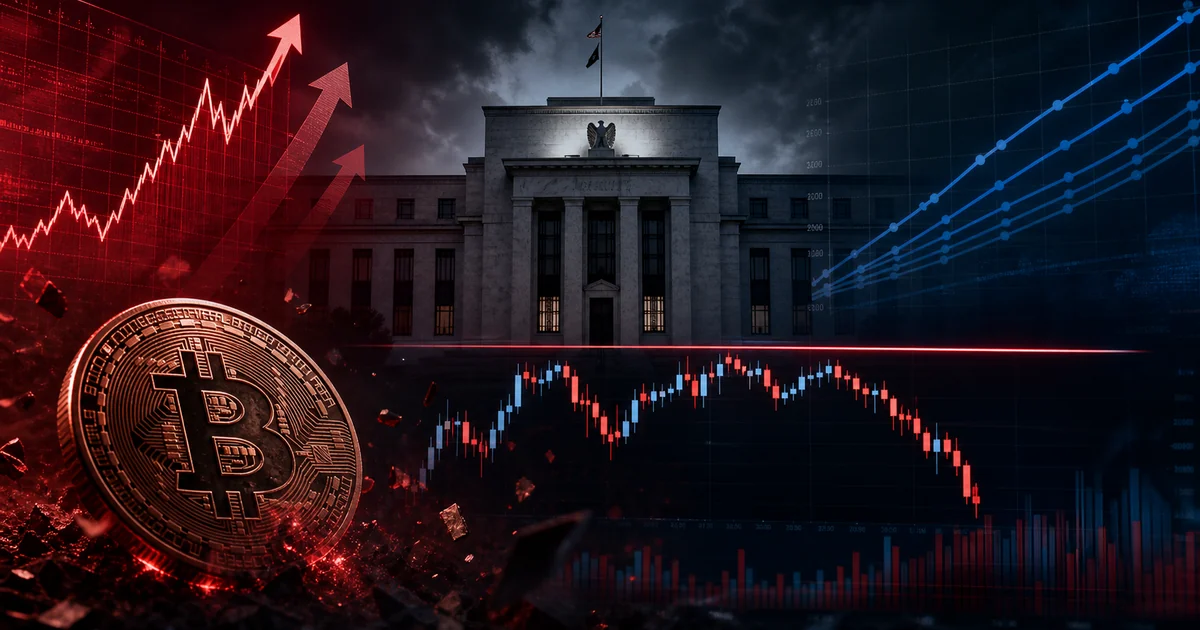
A dot plot shifting upward toward rate hikes while a Bitcoin price line drops below 64,000 dollars
3.50-3.75%
Rate (Held, 12-0)
9 of 18
Dots See a Hike
3.8%
Year-End Dot (was 3.4%)
<$64,000
BTC After

We spent last week explaining why the rate decision would be the boring part and the dot plot would be the story. That is more or less how it played out, just with an extra twist almost nobody had fully priced. The Federal Reserve held rates on June 17, exactly as expected. Then it delivered the most hawkish set of projections in months, and new chair Kevin Warsh tore up a piece of the Fed's playbook that markets had leaned on for fourteen years. Bitcoin slid below $64,000 in response.

Here is what actually happened, why it hit crypto, and what it changes going forward.

The decision: a hawkish hold

The headline was calm. The Fed voted unanimously, 12-0, to keep its benchmark rate at 3.50% to 3.75%, the seventh meeting in a row without a move. On its own, that is a non-event, and we flagged in the dot plot preview that the rate itself was never the point.

The projections are where it turned. The updated dot plot showed 9 of the 18 officials who submitted forecasts now expecting at least one rate hike before the end of 2026, with several penciling in two. Back in March, not a single official projected a hike this year. The median year-end rate projection jumped to about 3.8% from 3.4% three months ago, and the Fed raised its inflation forecast, lifting its year-end PCE estimate to around 3.6%. That fits the backdrop we covered when May inflation came in at 4.2%.

The market wanted a hold with a hint of future cuts. It got a hold with a hint of future hikes. Same rate, opposite message.

The twist: Warsh scrapped forward guidance

The part that genuinely surprised markets was structural, not numerical. Kevin Warsh, running his first meeting as chair, became the first Fed chief to decline submitting his own dot to the projections. He also stripped forward guidance out of the statement entirely, cutting it down to roughly 130 words from the usual 340 or so, and announced five task forces to review how the Fed communicates, manages its balance sheet, uses data, and measures inflation.

Warsh has argued for years that the Fed over-communicates, and that too much forward guidance is a credibility risk rather than a service to markets. On June 17 he acted on it. His message was blunt: persistently high prices are a burden on people, and the committee is focused on price stability, full stop. He offered no roadmap for where rates go next.

For traders, removing the roadmap is itself a hawkish event. The dot plot and guidance were the anchor that told markets how to read every inflation print. Take the anchor away and each future data release becomes a bigger, noisier event, because there is no Fed script to interpret it against.

Why Bitcoin fell

The reaction was quick. Bitcoin had been recovering nicely, trading near $66,000 before the meeting after its bounce off the $59,000 crash low. Within hours of the decision it broke below the $64,350 level that had held all session and slid toward $63,000, down roughly 3% on the day. Leveraged long positions were liquidated, and volume spiked on the move.

The mechanism is the same one that links any hawkish surprise to crypto. Projected hikes push Treasury yields up and the dollar higher. The 2-year Treasury yield jumped about 14 basis points to around 4.19%, and traders moved quickly, with CME FedWatch showing the odds of a hike by year-end climbing toward 80%. When safe assets pay more and the dollar strengthens, money rotates out of risk, and Bitcoin sits near the front of that line.

The honest read

This is a real headwind, but it is a macro one, not a crypto-specific break. Nothing changed about Bitcoin itself on June 17. What changed is the price of money and the Fed's willingness to guide markets, and crypto is simply sensitive to both.

The levels that matter now

The bounce is not dead, but it took a clear hit. Reporting around the decision points to a straightforward map:

  • Resistance at $64,350. This held going into the meeting and is now the first level Bitcoin needs to reclaim to show the dip was a shakeout.
  • Critical support at $60,000 to $62,000. Analysts flag this as a high-volume zone and the line that leveraged positions are defending. Holding it keeps the recovery alive.
  • $70,000 above. If support holds and short sellers get squeezed, that is the resistance the market would aim for next.

There is a constructive data point underneath the price too. On-chain figures cited by CoinDesk show long-term holders absorbed about 125,000 BTC during June, the kind of quiet accumulation that has marked past bottoms even while the headline mood stayed sour.

What to watch next

Two things sit directly ahead. The first is the US-Iran peace signing scheduled for June 19. If it holds and oil eases toward $75, that is disinflationary, and it is one of the few things that could take some sting out of the Fed's hawkish turn. The second is every upcoming inflation and jobs report, which now matter more than ever precisely because Warsh removed the guidance that used to cushion them.

This also was not the only central bank in motion this week. The Bank of Japan decision landed just before the Fed, which is why the past few days carried more macro risk than usual for crypto.

How to read the next move: volume

In a market with no Fed roadmap, reading the tape matters more than reading forecasts. A hawkish shock like this produces exactly the kind of sharp, emotional move where volume separates real selling from a flush that gets bought back. If Bitcoin keeps sliding on heavy, sustained sell volume across exchanges, the downtrend has conviction. If the drop comes on a spike of forced liquidations and then volume dries up, it often marks a local bottom rather than the start of something worse. That difference shows up in the flow first, which is the idea our guide on why volume moves before price walks through, and it is what CryptoFlow is built to track.

Read the reaction through volume, not emotion

CryptoFlow tracks real buying and selling volume across five major exchanges every minute, so after a shock like this you can tell whether the selling has conviction or whether it is just a flush.

Open the Dashboard →

The bottom line

The Fed did the expected thing with rates and the unexpected thing with everything else. A unanimous hold, a hawkish dot plot that now sees hikes instead of cuts, and a new chair who scrapped forward guidance and refused to submit his own projection. Bitcoin fell below $64,000 because the price of money looks higher and the Fed's roadmap just disappeared. The recovery is not over, but it has to defend the $60,000 to $62,000 zone and prove itself without the macro tailwind it had last week. Watch that support, watch June 19, and let the volume tell you whether this is a dip or a turn.

Frequently asked questions

What did the Fed decide on June 17, 2026?
The Federal Reserve held its benchmark rate at 3.50% to 3.75% in a unanimous 12-0 vote, its seventh straight hold. The surprise was the projections: the updated dot plot turned hawkish, with 9 of the 18 officials who submitted forecasts now expecting at least one rate hike before the end of 2026, a sharp reversal from March.
Why did Bitcoin fall if the Fed did not change rates?
The hold was fully expected, so it was not the driver. Bitcoin fell because the dot plot penciled in hikes rather than cuts, the year-end rate projection rose to about 3.8% from 3.4%, and the Fed raised its inflation forecast. Higher Treasury yields and a stronger dollar tightened liquidity and pressured risk assets.
What does it mean that Warsh killed the dot plot?
New chair Kevin Warsh became the first Fed chair to decline submitting his own rate projection, and he removed forward guidance from the statement, which was cut to roughly 130 words. This ends a communication practice markets relied on for over a decade, so every future data release becomes a larger market event.
What are the key Bitcoin levels after the Fed decision?
Reporting around the decision flags the $64,350 area as the level Bitcoin needs to reclaim, with the $60,000 to $62,000 zone as the critical support below. Holding that zone could set up a recovery attempt toward $70,000, while losing it would reopen the lower range.
What is the next catalyst for crypto after the Fed?
The US-Iran peace signing scheduled for June 19 is the next near-term catalyst. If it holds and oil prices ease toward $75, that would be disinflationary, which is one of the few developments that could soften the Fed's hawkish message in the weeks ahead.
This article is for informational and educational purposes only and does not constitute financial advice. Cryptocurrency is highly volatile. Never invest more than you can afford to lose, and always do your own research. Figures cited reflect reporting around June 18, 2026 and will change.

الفيدرالي يثبّت الفائدة لكنه يلمّح للرفع: لماذا هبط البيتكوين تحت 64 ألف دولار؟

مخطط نقاط ينزاح للأعلى نحو رفع الفائدة بينما خط سعر البيتكوين يهبط تحت 64 ألف دولار
3.50-3.75%
الفائدة (ثُبّتت، 12-0)
9 من 18
نقطة ترى رفعاً
3.8%
نقطة نهاية العام (كانت 3.4%)
<$64,000
BTC بعد القرار

أمضينا الأسبوع الماضي نشرح لماذا سيكون قرار الفائدة هو الجزء الممل ومخطط النقاط هو القصة. وهذا ما حدث تقريباً، مع التواء إضافي لم يُسعّره أحد بالكامل. ثبّت الاحتياطي الفيدرالي الفائدة في 17 يونيو، تماماً كما هو متوقع. ثم قدّم أكثر مجموعة توقعات تشدداً منذ أشهر، ومزّق الرئيس الجديد كيفن وارش جزءاً من دليل عمل الفيدرالي اعتمد عليه السوق طوال أربعة عشر عاماً. وهبط البيتكوين تحت 64 ألف دولار رداً على ذلك.

إليك ما حدث فعلاً، ولماذا ضرب الكريبتو، وما الذي يغيّره من هنا.

القرار: تثبيت متشدد

كان العنوان هادئاً. صوّت الفيدرالي بالإجماع، 12-0، على إبقاء فائدته المرجعية عند 3.50% إلى 3.75%، الاجتماع السابع على التوالي بلا تحرّك. وهذا بحد ذاته حدث غير مؤثر، وقد أشرنا في معاينة مخطط النقاط إلى أن الفائدة نفسها لم تكن المقصد أبداً.

التوقعات هي حيث انقلب الأمر. أظهر مخطط النقاط المحدّث أن 9 من 18 عضواً ممّن قدّموا توقعات يتوقعون الآن رفعاً واحداً على الأقل قبل نهاية 2026، مع رسم عدة منهم لرفعين. في مارس، لم يتوقع عضو واحد رفعاً هذا العام. وقفز متوسط توقع الفائدة لنهاية العام إلى نحو 3.8% من 3.4% قبل ثلاثة أشهر، ورفع الفيدرالي توقع التضخم، رافعاً تقدير PCE لنهاية العام إلى نحو 3.6%. وهذا يتماشى مع الخلفية التي غطيناها حين جاء تضخم مايو عند 4.2%.

أراد السوق تثبيتاً مع تلميح بخفض قادم. فحصل على تثبيت مع تلميح برفع قادم. الفائدة نفسها، والرسالة معاكسة.

الالتواء: وارش ألغى التوجيه المستقبلي

الجزء الذي فاجأ السوق فعلاً كان بنيوياً لا رقمياً. كيفن وارش، في إدارته أول اجتماع كرئيس، أصبح أول رئيس فيدرالي يرفض تقديم نقطته الخاصة في التوقعات. كما أزال التوجيه المستقبلي من البيان كلياً، مقلّصاً إياه إلى نحو 130 كلمة من المعتاد البالغ 340 تقريباً، وأعلن خمس فرق عمل لمراجعة كيف يتواصل الفيدرالي، ويدير ميزانيته، ويستخدم البيانات، ويقيس التضخم.

جادل وارش لسنوات بأن الفيدرالي يُفرط في التواصل، وأن التوجيه المستقبلي الزائد خطر على المصداقية لا خدمة للأسواق. وفي 17 يونيو نفّذ ذلك. كانت رسالته صريحة: الأسعار المرتفعة باستمرار عبء على الناس، واللجنة مركّزة على استقرار الأسعار، وانتهى. ولم يقدّم خارطة طريق لوجهة الفائدة التالية.

وبالنسبة للمتداولين، إزالة خارطة الطريق هي بحد ذاتها حدث متشدد. كان مخطط النقاط والتوجيه هما المرساة التي تخبر السوق كيف يقرأ كل بيان تضخم. أزِل المرساة فيصبح كل بيان بيانات قادم حدثاً أكبر وأكثر ضوضاء، لأنه لا يوجد نص للفيدرالي يُفسَّر مقابله.

لماذا هبط البيتكوين

كان رد الفعل سريعاً. كان البيتكوين يتعافى بشكل جيد، متداولاً قرب 66 ألف دولار قبل الاجتماع بعد ارتداده عن قاع الانهيار عند 59 ألف. وخلال ساعات من القرار، كسر تحت مستوى 64,350 الذي صمد طوال الجلسة وانزلق نحو 63 ألف، هابطاً نحو 3% في اليوم. وصُفّيت مراكز شراء ذات رافعة، وقفز الحجم على الحركة.

الآلية هي نفسها التي تربط أي مفاجأة متشددة بالكريبتو. الرفع المتوقّع يدفع عوائد السندات للأعلى والدولار أعلى. قفز عائد سندات السنتين نحو 14 نقطة أساس إلى قرب 4.19%، وتحرّك المتداولون بسرعة، مع إظهار أداة CME FedWatch أن احتمالات رفع بنهاية العام تصعد نحو 80%. وحين تدفع الأصول الآمنة عائداً أكبر ويقوى الدولار، يدور المال خارج المخاطرة، والبيتكوين يجلس قرب مقدمة ذلك الصف.

القراءة الصادقة

هذا ضغط حقيقي، لكنه ضغط اقتصادي كلي لا كسر خاص بالكريبتو. لم يتغيّر شيء في البيتكوين نفسه في 17 يونيو. ما تغيّر هو سعر المال واستعداد الفيدرالي لتوجيه الأسواق، والكريبتو ببساطة حسّاس لكليهما.

المستويات المهمة الآن

الارتداد لم يمت، لكنه تلقّى ضربة واضحة. تشير التقارير حول القرار إلى خريطة مباشرة:

  • مقاومة عند 64,350. صمد هذا قبل الاجتماع، وهو الآن أول مستوى يحتاج البيتكوين لاستعادته ليُظهر أن الهبوط كان مجرد هزّة.
  • دعم حرج عند 60,000 إلى 62,000. يشير المحللون إلى أنه منطقة حجم مرتفع والخط الذي تدافع عنه المراكز ذات الرافعة. والثبات فوقه يُبقي التعافي حياً.
  • 70,000 أعلى. إذا صمد الدعم وتعرّض البائعون على المكشوف للضغط، فتلك هي المقاومة التي سيستهدفها السوق تالياً.

وهناك نقطة بيانات بنّاءة تحت السعر أيضاً. تُظهر أرقام On-chain نقلها موقع CoinDesk أن الحائزين طويلي الأمد امتصّوا نحو 125,000 بيتكوين خلال يونيو، نوع التجميع الهادئ الذي ميّز قيعاناً سابقة حتى بينما بقي المزاج العام سيئاً.

ما الذي تراقبه تالياً

أمران يقعان مباشرة أمامنا. الأول هو توقيع السلام بين أمريكا وإيران المقرّر في 19 يونيو. إذا صمد وتراجع النفط نحو 75 دولاراً، فذلك خافض للتضخم، وهو أحد الأشياء القليلة التي قد تنزع بعض اللسعة من تحوّل الفيدرالي المتشدد. والثاني هو كل تقرير تضخم ووظائف قادم، وهي الآن أهم من أي وقت بالضبط لأن وارش أزال التوجيه الذي كان يخفّف وقعها.

ولم يكن هذا البنك المركزي الوحيد المتحرك هذا الأسبوع. قرار بنك اليابان صدر قبل الفيدرالي مباشرة، ولهذا حملت الأيام القليلة الماضية خطراً اقتصادياً أكبر من المعتاد للكريبتو.

كيف تقرأ الحركة القادمة: الحجم

في سوق بلا خارطة طريق للفيدرالي، قراءة الشريط أهم من قراءة التوقعات. مفاجأة متشددة كهذه تنتج بالضبط نوع الحركة الحادة العاطفية حيث يفصل الحجم البيع الحقيقي عن تصفية تُعاد شراؤها. إذا واصل البيتكوين الانزلاق على حجم بيع ثقيل ومستدام عبر المنصات، فللهبوط اقتناع. وإذا جاء الهبوط على قفزة من التصفيات القسرية ثم جفّ الحجم، فهو غالباً يمثّل قاعاً محلياً لا بداية شيء أسوأ. ذلك الفرق يظهر في التدفق أولاً، وهو الفكرة التي يشرحها دليلنا عن لماذا يتحرك الحجم قبل السعر، وهو ما بُني CryptoFlow لتتبّعه.

اقرأ رد الفعل عبر الحجم، لا العاطفة

يتتبّع CryptoFlow حجم الشراء والبيع الحقيقي عبر خمس منصات كبرى كل دقيقة، فبعد صدمة كهذه يمكنك معرفة إن كان للبيع اقتناع أم أنه مجرد تصفية.

افتح لوحة التحكم ←

الخلاصة

فعل الفيدرالي المتوقَّع بالفائدة وغير المتوقَّع بكل ما عداها. تثبيت بالإجماع، ومخطط نقاط متشدد يرى الآن رفعاً بدل خفض، ورئيس جديد ألغى التوجيه المستقبلي ورفض تقديم نقطته. هبط البيتكوين تحت 64 ألف دولار لأن سعر المال يبدو أعلى وخارطة طريق الفيدرالي اختفت للتو. التعافي لم ينتهِ، لكنه مضطر للدفاع عن منطقة 60-62 ألف وإثبات نفسه دون الرياح الاقتصادية المواتية التي كانت لديه الأسبوع الماضي. راقب ذلك الدعم، راقب 19 يونيو، ودع الحجم يخبرك إن كان هذا هبوطاً عابراً أم تحوّلاً.

أسئلة شائعة

ماذا قرّر الفيدرالي في 17 يونيو 2026؟
ثبّت الاحتياطي الفيدرالي فائدته المرجعية عند 3.50% إلى 3.75% بتصويت إجماعي 12-0، الاجتماع السابع على التوالي بلا تحرّك. والمفاجأة كانت في التوقعات: انقلب مخطط النقاط متشدداً، مع توقّع 9 من 18 عضواً ممّن قدّموا توقعات رفعاً واحداً على الأقل قبل نهاية 2026، انقلاباً حاداً عن مارس.
لماذا هبط البيتكوين إذا لم يغيّر الفيدرالي الفائدة؟
كان التثبيت متوقّعاً بالكامل، فلم يكن هو الدافع. هبط البيتكوين لأن مخطط النقاط رسم رفعاً بدل خفض، وارتفع توقع فائدة نهاية العام إلى نحو 3.8% من 3.4%، ورفع الفيدرالي توقع التضخم. وعوائد السندات الأعلى والدولار الأقوى شدّا السيولة وضغطا على الأصول الخطرة.
ماذا يعني أن وارش "قتل مخطط النقاط"؟
أصبح الرئيس الجديد كيفن وارش أول رئيس فيدرالي يرفض تقديم نقطته الخاصة، وأزال التوجيه المستقبلي من البيان الذي قُلّص إلى نحو 130 كلمة. وهذا ينهي ممارسة تواصل اعتمد عليها السوق لأكثر من عقد، فيصبح كل بيان بيانات قادم حدثاً أكبر للسوق.
ما مستويات البيتكوين المهمة بعد قرار الفيدرالي؟
تشير التقارير حول القرار إلى منطقة 64,350 كالمستوى الذي يحتاج البيتكوين لاستعادته، مع منطقة 60,000 إلى 62,000 كدعم حرج أسفل. والثبات فوقها قد يهيّئ محاولة تعافٍ نحو 70,000، بينما فقدانها يعيد فتح النطاق الأدنى.
ما المحفّز التالي للكريبتو بعد الفيدرالي؟
توقيع السلام بين أمريكا وإيران المقرّر في 19 يونيو هو المحفّز القريب التالي. إذا صمد وتراجعت أسعار النفط نحو 75 دولاراً، فذلك خافض للتضخم، وهو أحد التطورات القليلة التي قد تخفّف رسالة الفيدرالي المتشددة في الأسابيع المقبلة.
هذا المقال لأغراض إعلامية وتعليمية فقط ولا يشكّل نصيحة مالية. العملات الرقمية شديدة التقلب. لا تستثمر أبداً أكثر مما تتحمّل خسارته، وقم دائماً ببحثك الخاص. الأرقام المذكورة تعكس تقارير حول 18 يونيو 2026 وستتغيّر.

These links are included so readers can verify the market data, definitions, and official references behind the article.

أُضيفت هذه الروابط حتى يستطيع القارئ التحقق من بيانات السوق، والتعريفات، والمراجع الرسمية المرتبطة بالمقال.