I write the articles on CryptoFlow and build its tools. I started Tadawulgy to explain trading to Arabic-speaking traders in plain language, because most of what was available was either hype or translated material that skipped the reasoning.
What I work on
- CryptoFlow, this site: the live volume scanner, the pattern scanners and calculators, and explainers on market structure, volume and macro data.
- OrderView, a charting app for Android and the web with live data from several exchanges, a wide set of indicators, drawing tools, price alerts and a bar-replay practice mode.
How I write
Every article starts from data I can check: exchange data, central bank and statistics releases, ETF flow figures and company filings. Sources are linked in the article so you can check them too. Where I calculate something myself, such as how Bitcoin moved around past data releases, the article says how the number was produced. I separate what the data shows from my reading of it, and I present the reasons for caution next to the reasons for optimism.
I use AI assistants to collect data, run calculations and draft in both languages. I review every article and check its figures against the source before it is published, and I am responsible for what appears under my name. The full process is in the editorial policy.
What I do not do
- I do not give personal investment advice or trade signals, and nothing on this site is a recommendation to buy or sell.
- I do not accept payment to cover or promote a coin, exchange or project.
- I do not publish win rates or profit claims for any method or tool.
Corrections and contact
If you find a mistake, a broken source or a figure that does not match, please tell me through the contact page, in English or Arabic. Confirmed errors are corrected and the correction is noted on the article.
Recent articles
All articles →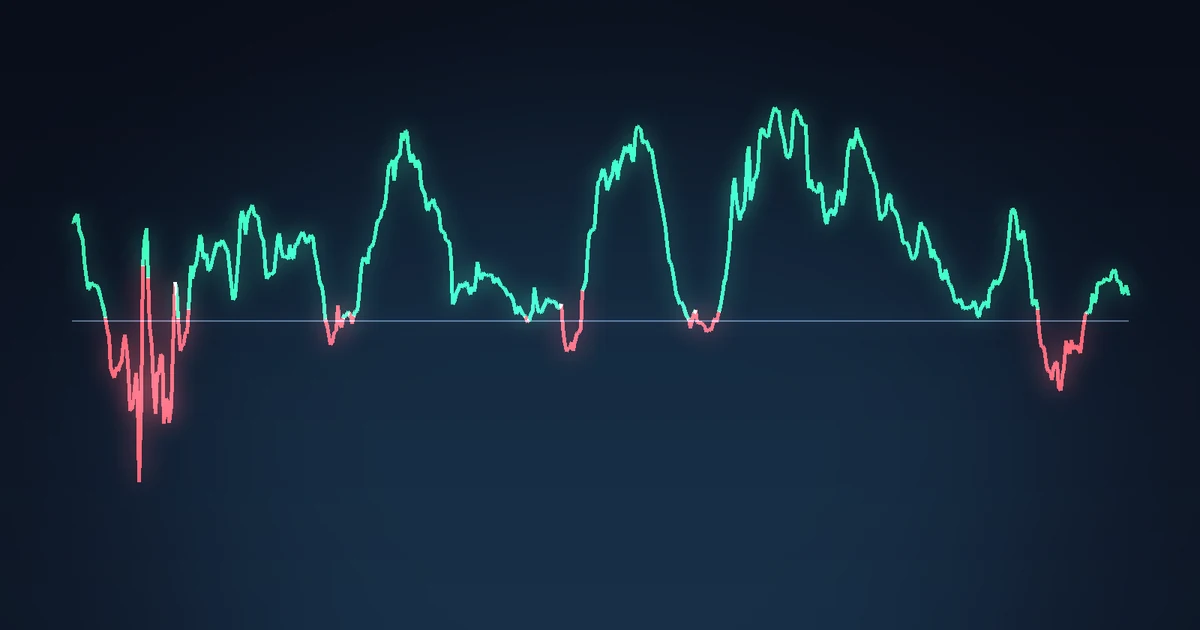 Macro
The Yield Curve, Explained: The Recession Signal That Was Right Six Times, Then Waited 54 Months
The yield curve compares short and long Treasury yields, and its inversions preceded every US recession from 1978 to 2020. The 2022 inversion lasted a record 888…
Oct 11, 2026 · 11 min
 Macro
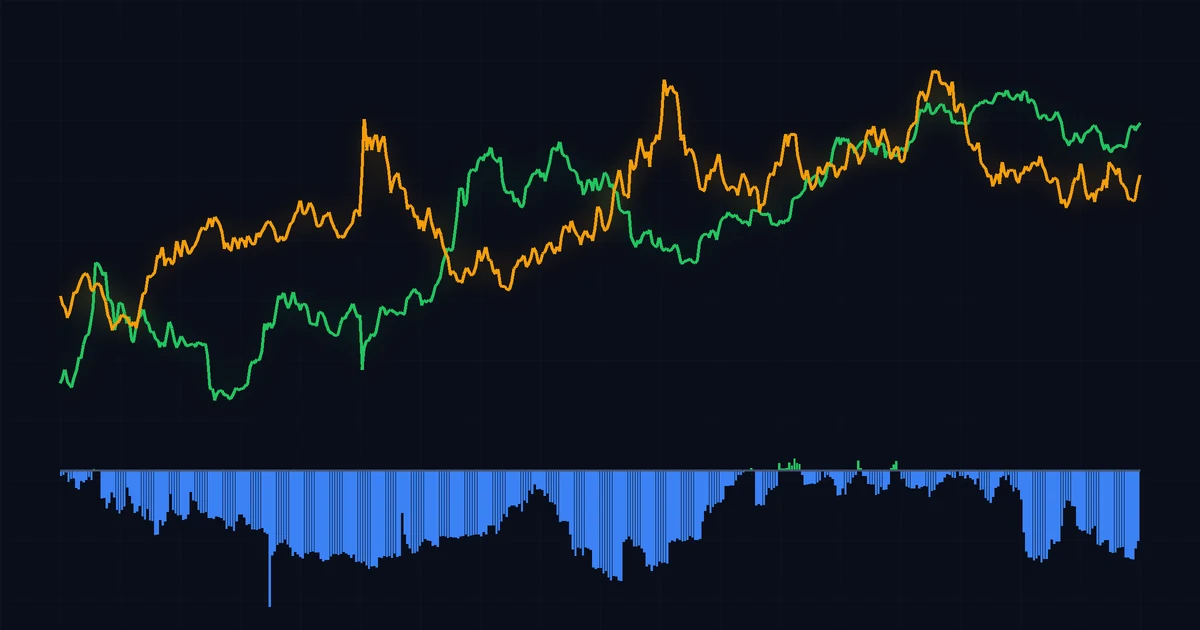
The Dollar Index, Explained: DXY, the Fed's Broad Index, and What 9 Years Say About Bitcoin
What DXY measures, why the Fed's broad index can tell a different story, and our test of 475 weeks of data. The link to Bitcoin is negative but weak: when the…
Oct 5, 2026 · 11 min
 Macro
The Jobs Report, Explained: What Payrolls Measure, and What 81 Releases Did to Bitcoin
How to read nonfarm payrolls, revisions, unemployment and wages, with the September 2026 report as a worked example. Our measurement of 81 releases since 2020:…
Oct 2, 2026 · 12 min
 Macro
PCE Inflation Explained: PCE vs CPI, the Fed, and Bitcoin
Understand headline and core PCE, monthly versus annual inflation, and forecast surprises. Read the September 30 release with worked examples and a practical checklist.
Sep 30, 2026 · 11 min
 Concepts
Bitcoin Volatility, Explained: Half of What It Was, and the Month Gold Swung Harder
What volatility measures, how to calculate it from free data, and what 3,328 days of Binance prices show. Bitcoin's annualized volatility fell from 83.9% in 2018 to…
Sep 28, 2026 · 11 min
 Concepts
Crypto Funding Rates, Explained: 1,962 Bitcoin Settlements Without a Reading Above 0.01%
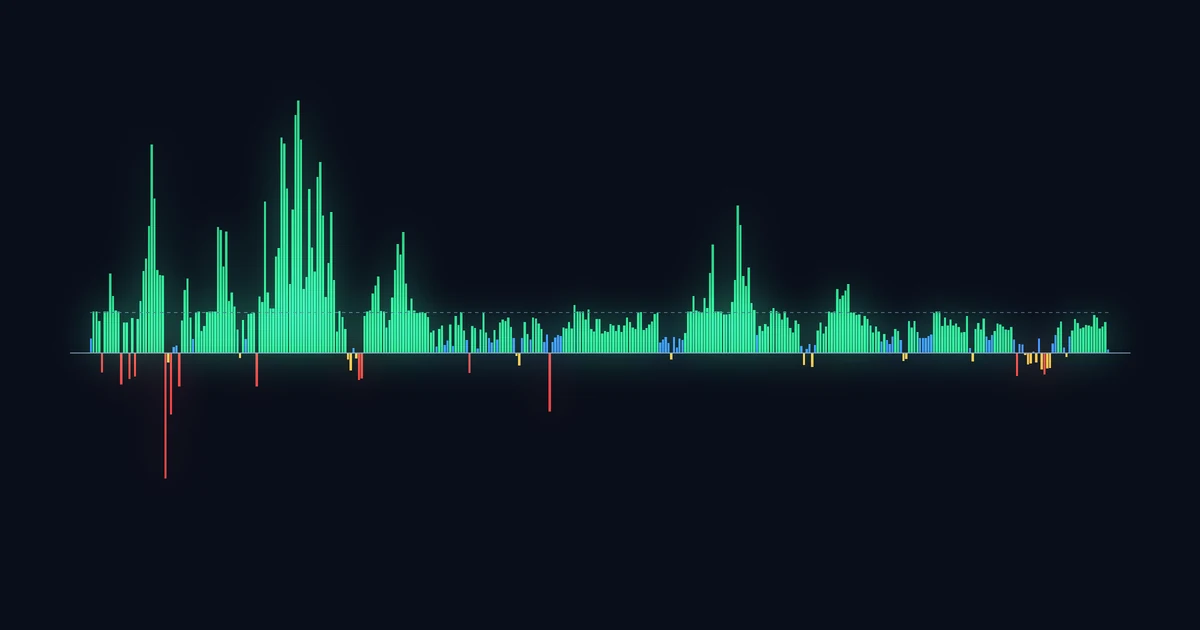
A funding rate is the fee longs and shorts pay each other on perpetual futures. In 2021 it cost a $10,000 Bitcoin long on Binance $3,061; so far in 2026, $215. How…
Sep 24, 2026 · 11 min